
Recently, our Founder, James Willcox, appeared on Talk Radio Europe with presenter Giles Brown, to discuss what visiting Pakistan is really like. During the half-hour interview they covered everything from safety and visas to the famous Karakoram Highway, the hospitality of the Pakistani people and why more travellers are beginning to discover the country for themselves.
Untamed Borders has been organising group and private trips to the country since 2011. Today, we offer group trips through the Indus Valley, Karakoram Highway tours in Northern Pakistan, plus trips to Balochistan and to take part in the Islamabad Marathon. We also have a full range of private services, taking both private tourists and professional people to Pakistan, such as helicopter rides around K2 and guiding famous Belgian broadcaster, Tom Waes and a TV crew.
Thank you again to Giles and the Talk Radio Europe team for having us on the show. You can listen to the full interview here:
For those wanting to tour Pakistan or simply curious about what it’s like to visit, below are some of the key questions discussed during the interview that can help prepare you for a visit to Pakistan.
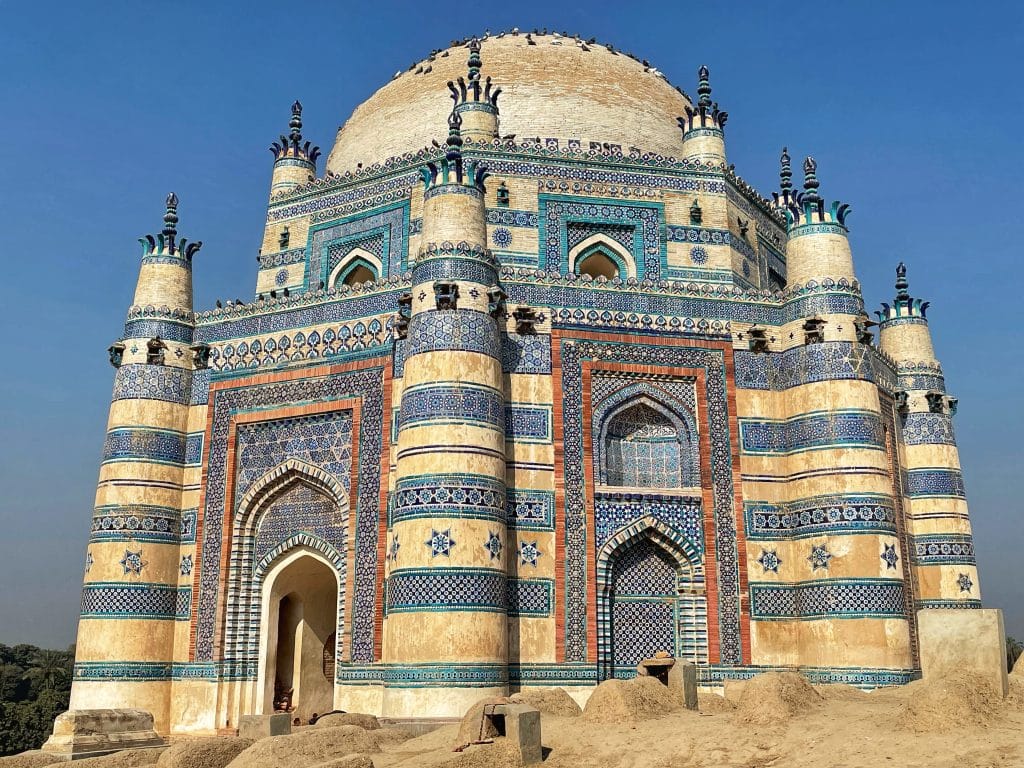
What is it like to visit Pakistan?
Pakistan contains some of the most jaw-dropping landscapes on earth, including the mighty Karakoram, Hindu Kush and Himalaya mountains in the north, which are becoming increasingly popular with visitors.
It also contains an array of ancient Silk Road towns, such as Lahore, rich in Mughal architecture, plus the famous trading town of Peshawar, where the bazaars still throng with life to this day, like in times gone by. The country is peppered with wonderful history, all the way down through the Indus Valley, home to some of the earliest civilisations, through Sindh and to the Arabian Sea. Meanwhile, its west contains the harsh and dramatic landscapes of Balochistan and the rugged hills of Khyber Pakhtunkhwa.
Travelling through Pakistan also means experiencing remarkable cultural diversity. Across the country are dozens of ethnic groups, languages and traditions, from the colourful truck art, energetic Sufi ceremonies and bustling bazaars of Punjab and Sindh, to the nomadic communities of the south-west and the isolated villages of the far north. A country full to the brim with natural beauty, magical cultural moments and history.
One of the things visitors notice most quickly is the hospitality. Across the country travellers are frequently invited for tea, meals or simply conversations with locals curious to meet foreign visitors. Tourism is still developing in many areas, meaning international travellers can expect genuinely authentic experiences rather than heavily commercialised tourism.
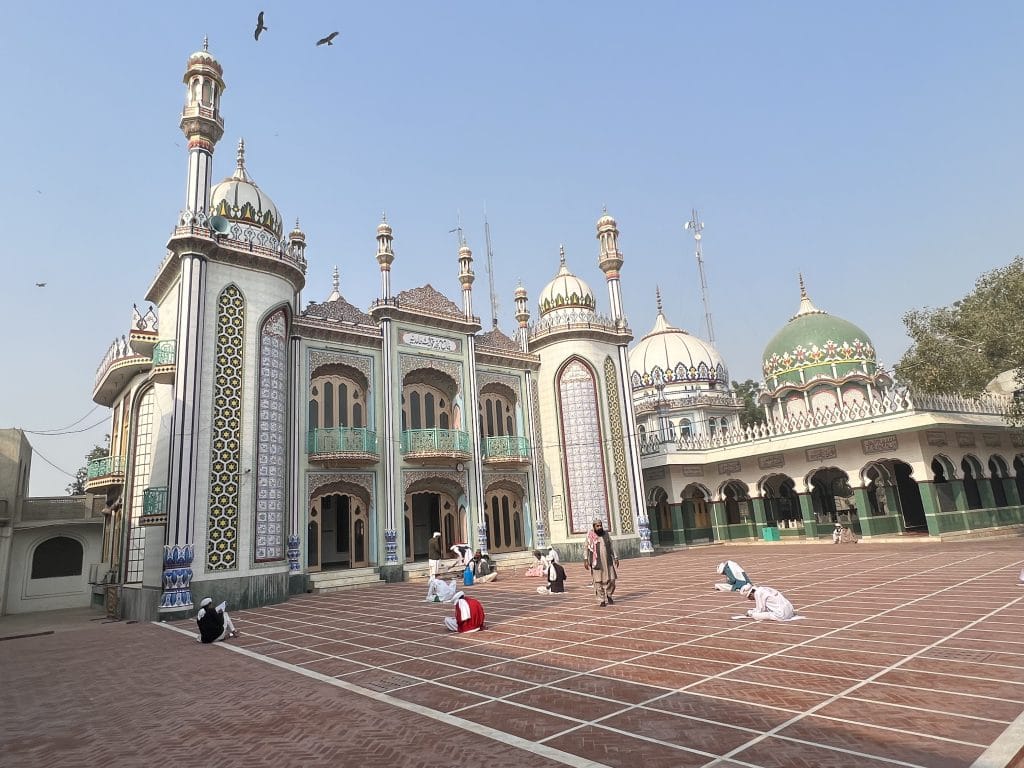
Is Pakistan safe to travel in?
Safety is naturally one of the most common questions people ask about travelling in Pakistan.
As discussed during the interview, the reality is far more nuanced than many assume. Much of Pakistan is perfectly accessible for travellers and tourism has grown steadily over recent years. Areas such as Lahore, Islamabad, Hunza Valley and the Karakoram Highway have become increasingly popular with international visitors.
Like travel anywhere, conditions vary by region and it’s more straightforward in the north, than in areas such as Balochistan. Travellers should stay informed, travel sensibly and use experienced tour operations where appropriate, such as Untamed Borders.
For many visitors, the biggest surprise is how welcomed they feel once they arrive.
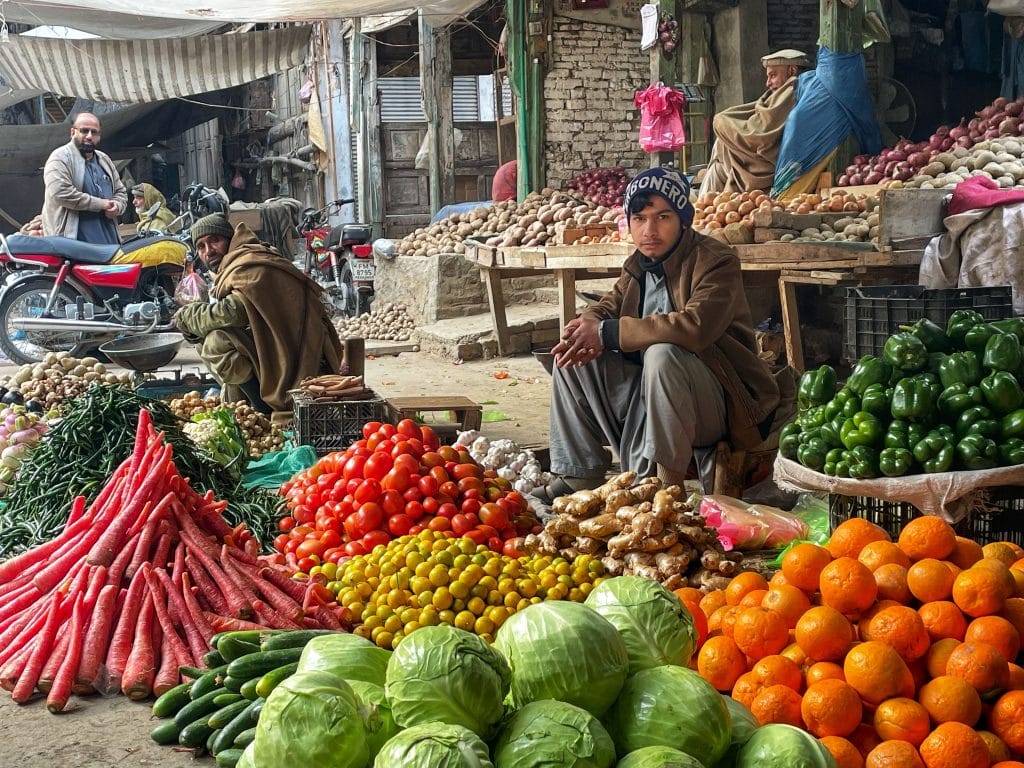
How to get a visa for Pakistan?
Pakistan’s visa process has become significantly easier in recent years.
Many nationalities can now apply online through Pakistan’s e-visa system, making the process much easier than in the past. Tourist visas are generally issued electronically, with applicants submitting passport details, photographs and supporting documents online.
Travellers joining organised Pakistan group tours will often receive assistance from tour operators, such as Untamed Borders, with visa documentation and invitation letters where required.
Processing times can vary, so it is still advisable to apply well in advance of travel. If you have any visa questions ahead of travelling to Pakistan, please email our team on – info@untamedborders.com.
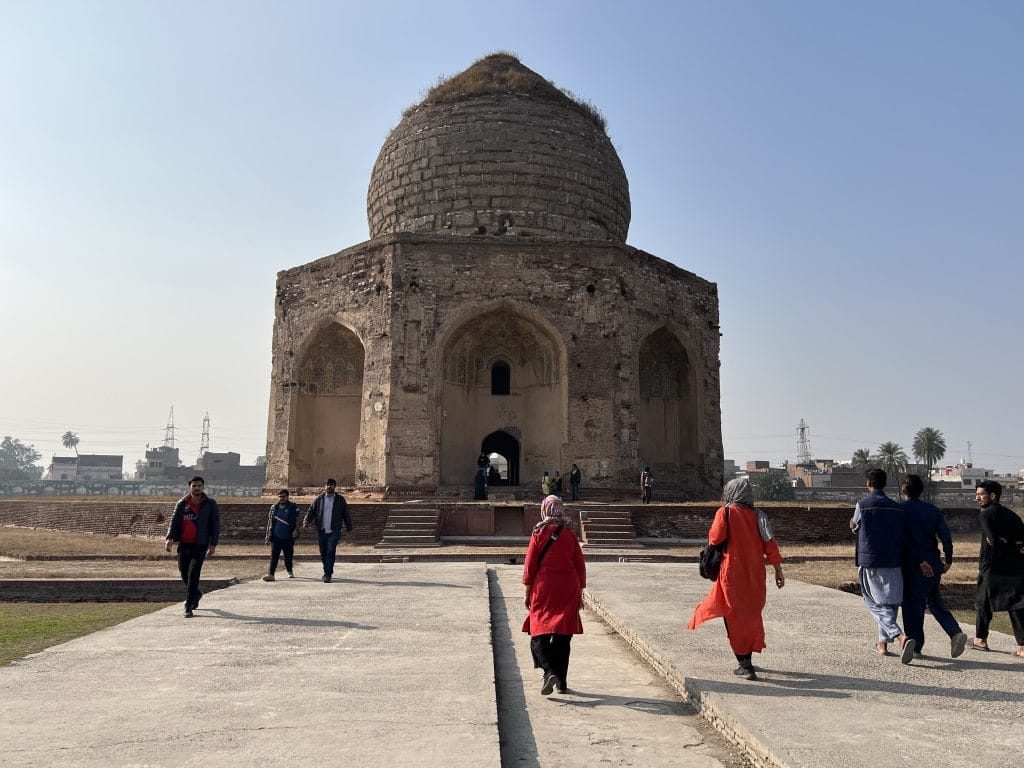
How to get to Pakistan?
Most travellers arrive via the major international airports in Islamabad, Lahore or Karachi, with airlines operating regular routes from the Middle East, Europe and Asia.
Domestic flights also connect the country’s larger cities with remote northern regions, although many travellers choose to explore by road to fully experience Pakistan’s dramatic scenery and varied landscapes.
When is the best time of year to visit Pakistan?
The best time to visit varies by region. For Northern Pakistan, late Spring, Summer and Early Autumn are some of the best times to visit, with many of the major routes clear of snowfall and a temperate climate. Going in May allows you to see the blooming mountain meadows and gushing rivers, as the snow melts, but late Summer and early Autumn offer better opportunities for snow free hiking trails and warmth in the high peaks.
The central regions of Pakistan, including Islamabad, Lahore and much of Punjab, are most comfortable between October and March. Summers here can become intensely hot, particularly in June and July before the monsoon season arrives. Winter temperatures are generally mild and pleasant, making it the ideal time for exploring historic cities, Mughal architecture and cultural sites.
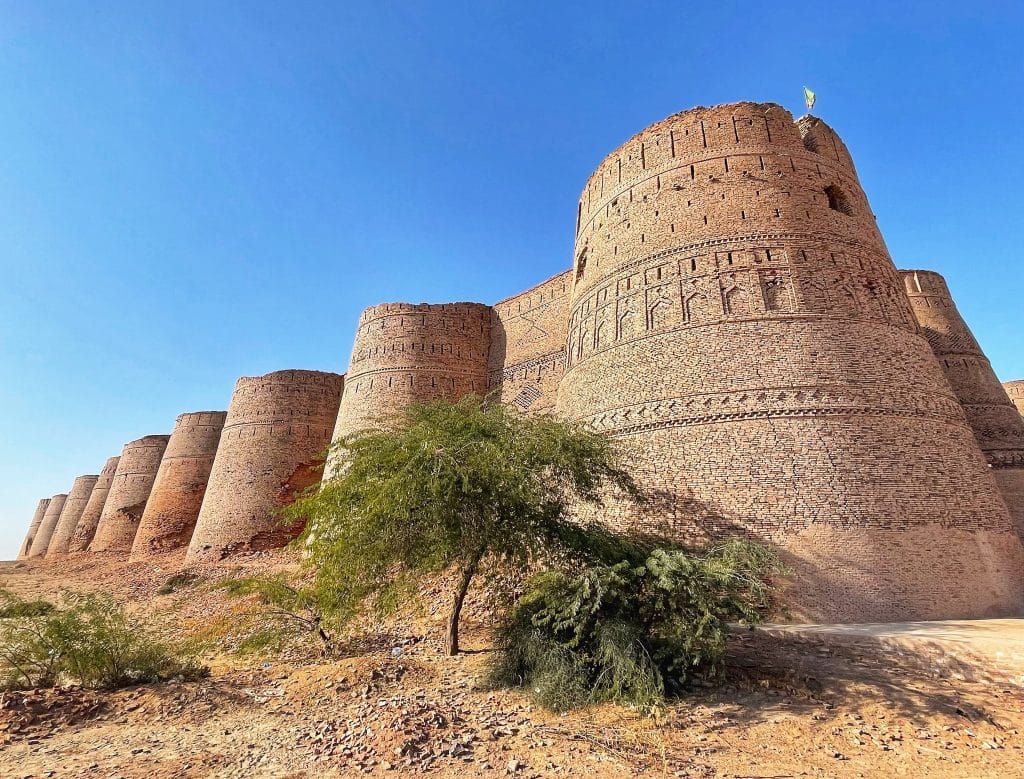
South and South-Western Pakistan, including Karachi, Sindh and much of Balochistan, is best visited during the cooler months from November to February. Summer temperatures in these regions can regularly exceed 40°C, especially inland, while the winter months bring far more comfortable conditions for road trips, desert travel and exploring the coastline along the Arabian Sea.
Why is the Karakoram Highway so famous?
Few roads have the legendary reputation of the Karakoram Highway.
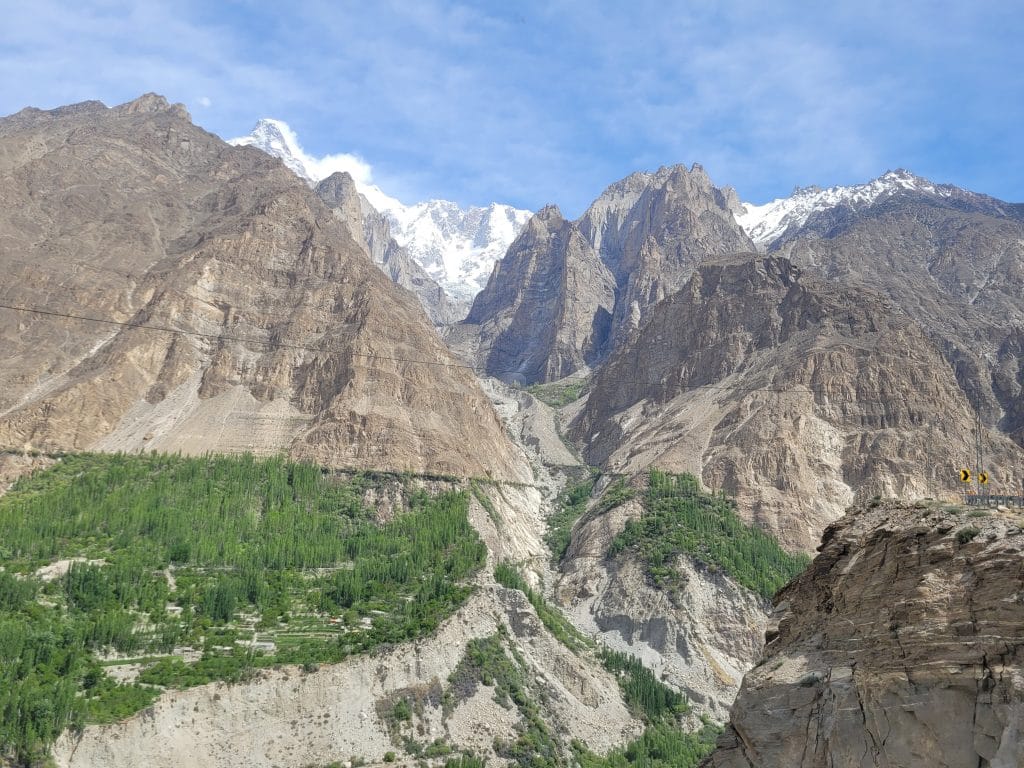
Stretching from Islamabad in Pakistan to Kashgar in China, the route cuts through some of the world’s highest mountains, passing glaciers, dramatic valleys and remote communities along the way. The Khunjerab Pass, which is the border of Pakistan and China, is almost as high as Mont Blanc. Often referred to as one of the greatest road trips on earth, the highway follows part of the ancient Silk Road and connects Islamabad with the mountains of Gilgit-Baltistan.
For many travellers, journeys along the Karakoram Highway are the highlight of visiting Pakistan. The scenery changes constantly, from green valleys and turquoise rivers to barren high-altitude landscapes beneath peaks over 7,000 metres.
Road trips here are not always comfortable or predictable, but that is very much part of the experience.
You can travel a long stretch of the Karakoram Highway on Untamed Borders’ Hindu Kush & Karakoram group tours.
Why do people visit Hunza Valley?
The Hunza Valley has become one of Pakistan’s best-known destinations and for good reason.
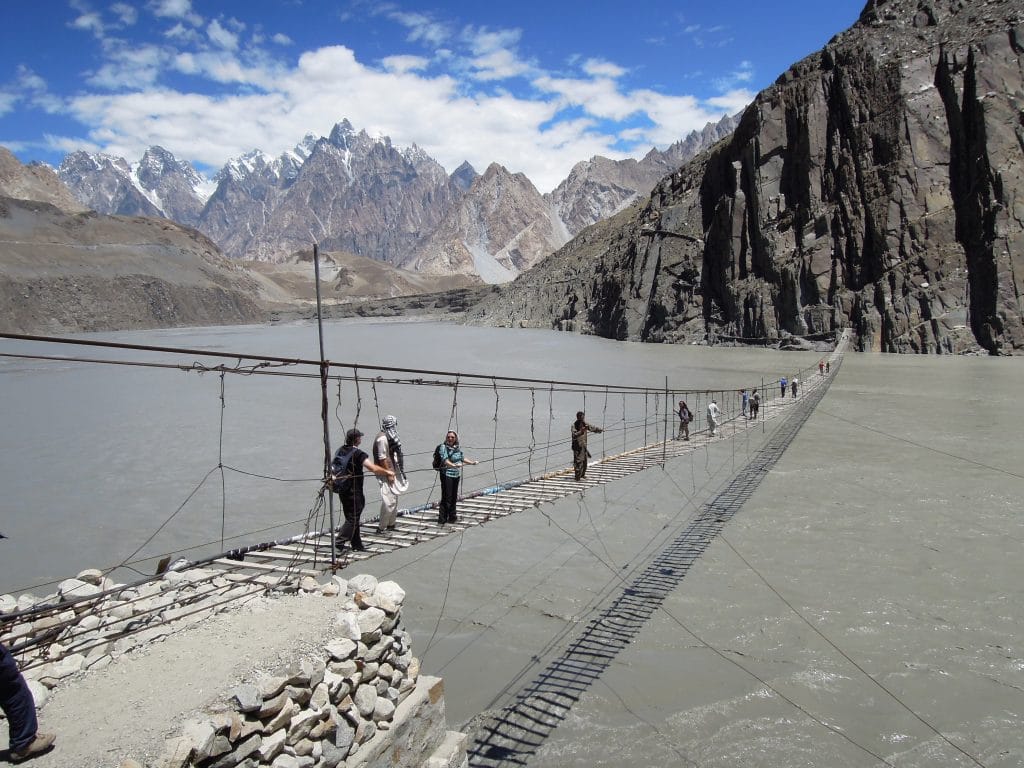
Surrounded by snow-covered mountains, the valley is known for its spectacular scenery, historic forts and relaxed atmosphere. Villages such as Karimabad offer views of peaks, including Rakaposhi and Ultar Sar, while nearby Passu is famous for its dramatic cathedral-like mountains and the nearby crystal blue waters of Attabad Lake.
The region also has the quirk of being a “blue zone” where people live extraordinarily long lives, no doubt helped by the tremendous surroundings.
Hunza is also one of the main highlights on many Pakistan tours thanks to its combination of natural beauty and cultural heritage.
In spring the valley is filled with blossom, while autumn brings striking golden colours across the orchards and mountainsides.
You can visit the Hunza Valley on Untamed Borders’ Hindu Kush & Karakoram group tours.
What makes Lahore special?
While Northern Pakistan often receives the most attention internationally, Lahore is widely regarded as the cultural heart of the country.
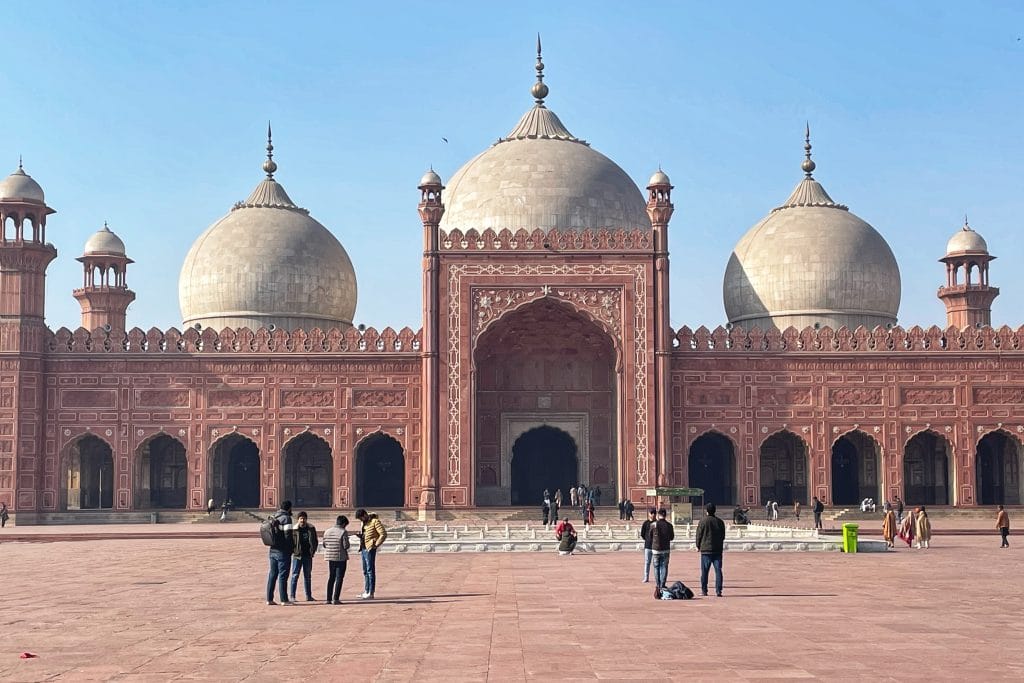
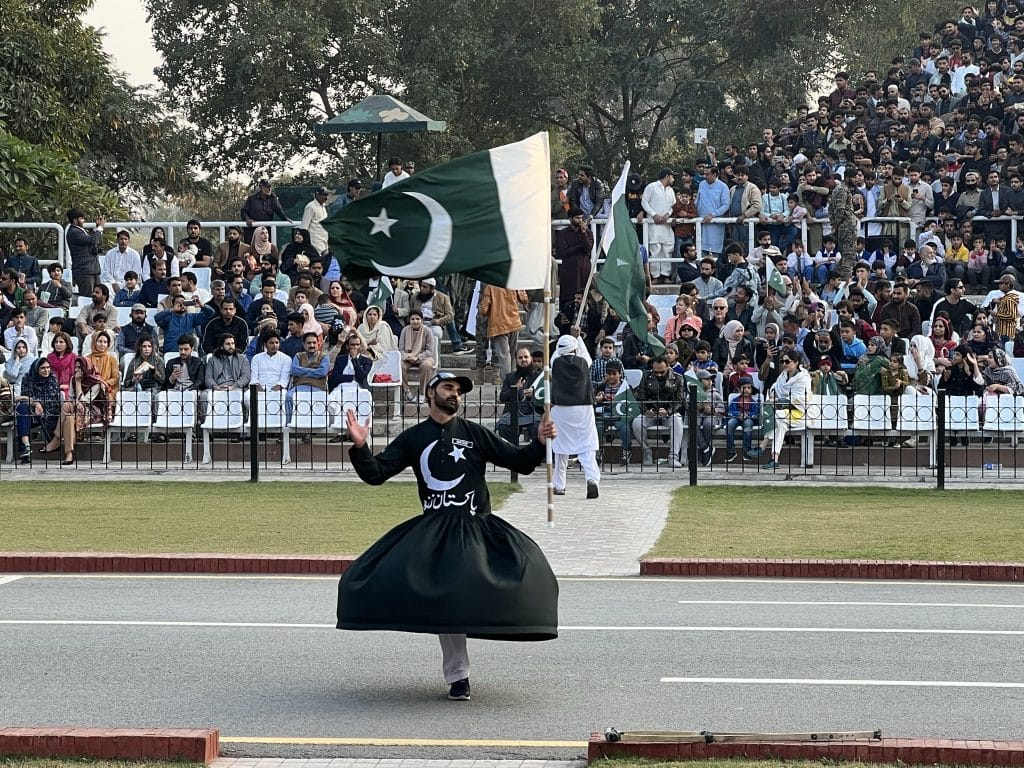
The city is known for its extraordinary Mughal architecture, historic mosques, old city bazaars and legendary food scene. Sites such as the Badshahi Mosque, Lahore Fort and Pakistan India border ceremony at Wagah draws visitors from around the world. It’s a remarkable site, as thousands of spectators head to the Wagah ceremony, on both sides of the border, to watch goose stepping guards march towards the border.
But perhaps more than anything, Lahore is famous for its energy. It is chaotic, colourful and constantly alive. For travellers wanting to understand Pakistan beyond the mountains, Lahore is essential.
You can visit Lahore, along with many other awesome historic cities and sites, on our 13, 10 and 7-day group trips through the Indus Valley.
Why is Pakistan becoming more popular with travellers?
Pakistan remains far less visited than neighbouring countries, but interest has grown rapidly over recent years.
Part of the appeal is precisely that it still feels adventurous. Travellers are increasingly seeking destinations that feel genuine and relatively untouched by mass tourism, and Pakistan offers exactly that.
Whether it is driving the Karakoram Highway, exploring Lahore’s Mughal history, hiking beneath some of the world’s highest mountains or simply experiencing the warmth of Pakistani hospitality, the country leaves a strong impression on those who visit.
In fact, even British Royalty paid a visit, including Prince William and Catherine in 2019.
As James explained during the interview, Pakistan is not a destination for luxury resorts or easy package holidays. It is a country for curious travellers looking for big landscapes, complex history and experiences that feel genuinely different.
You can see all our upcoming group Pakistan trips here or email – info@untamedborders.com – for further details about our group and private services in the country.