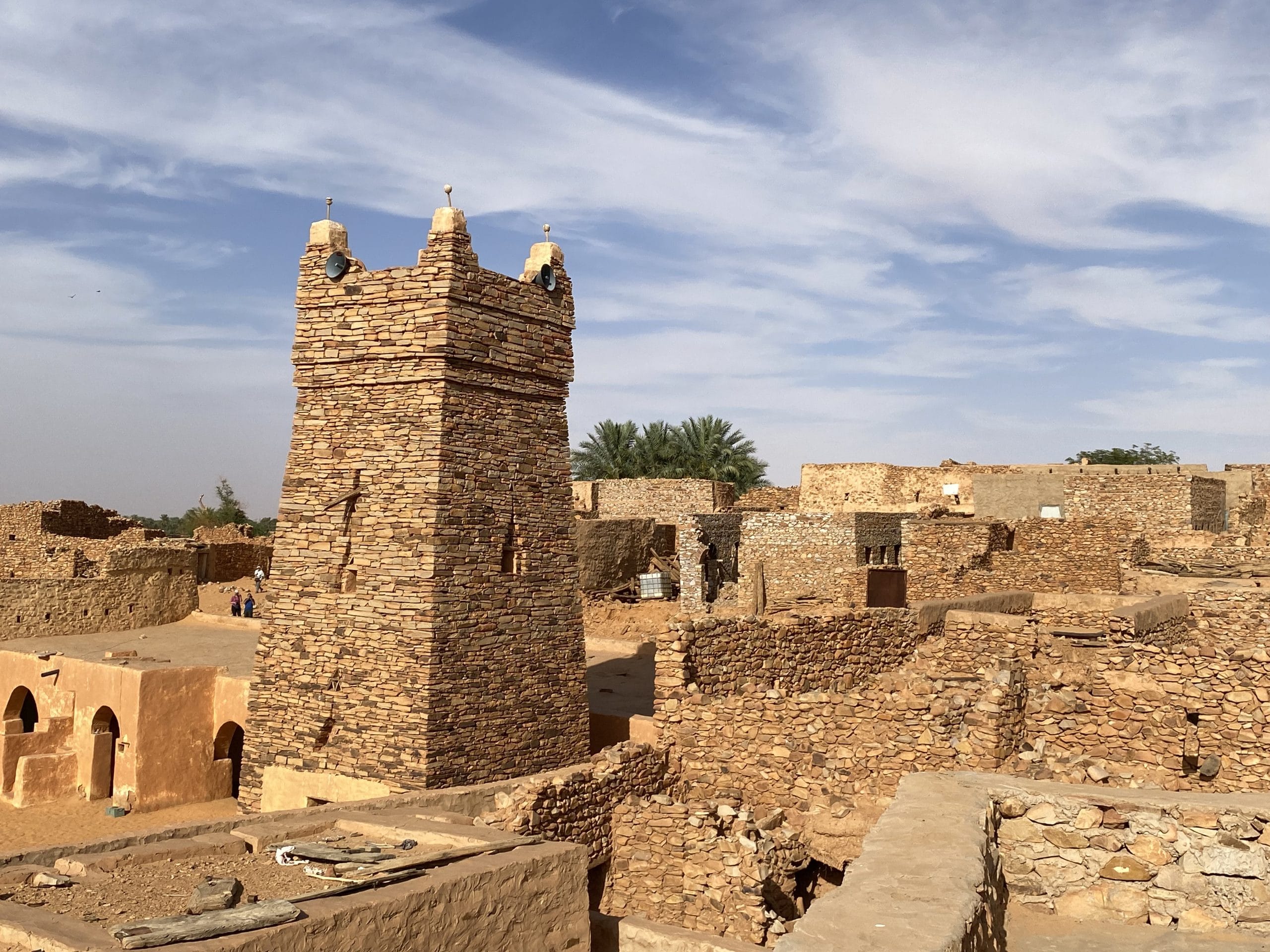
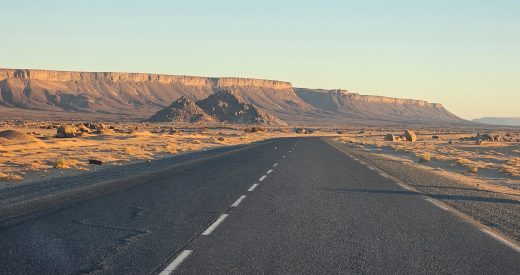
The beautiful desert nation of Mauritania lies at a cross-roads in Africa, linking the north of the continent to the west.
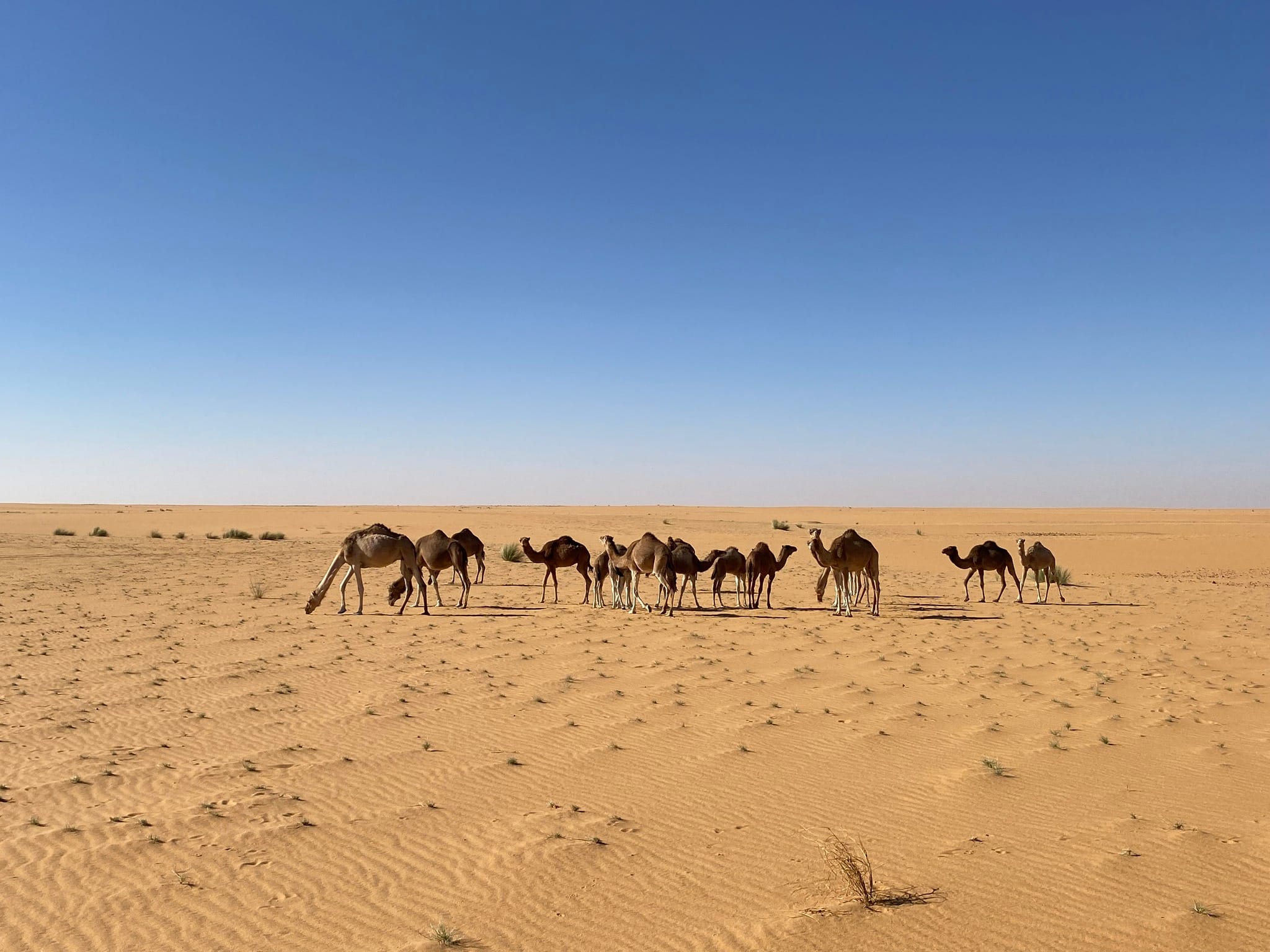
The sparsely populated and rarely visited country contains vast expanses of breathtaking Saharan scenery, along with other worldly rock formations, mountains, ancient oasis towns and a wild Atlantic coastline, shrouded by the desert.
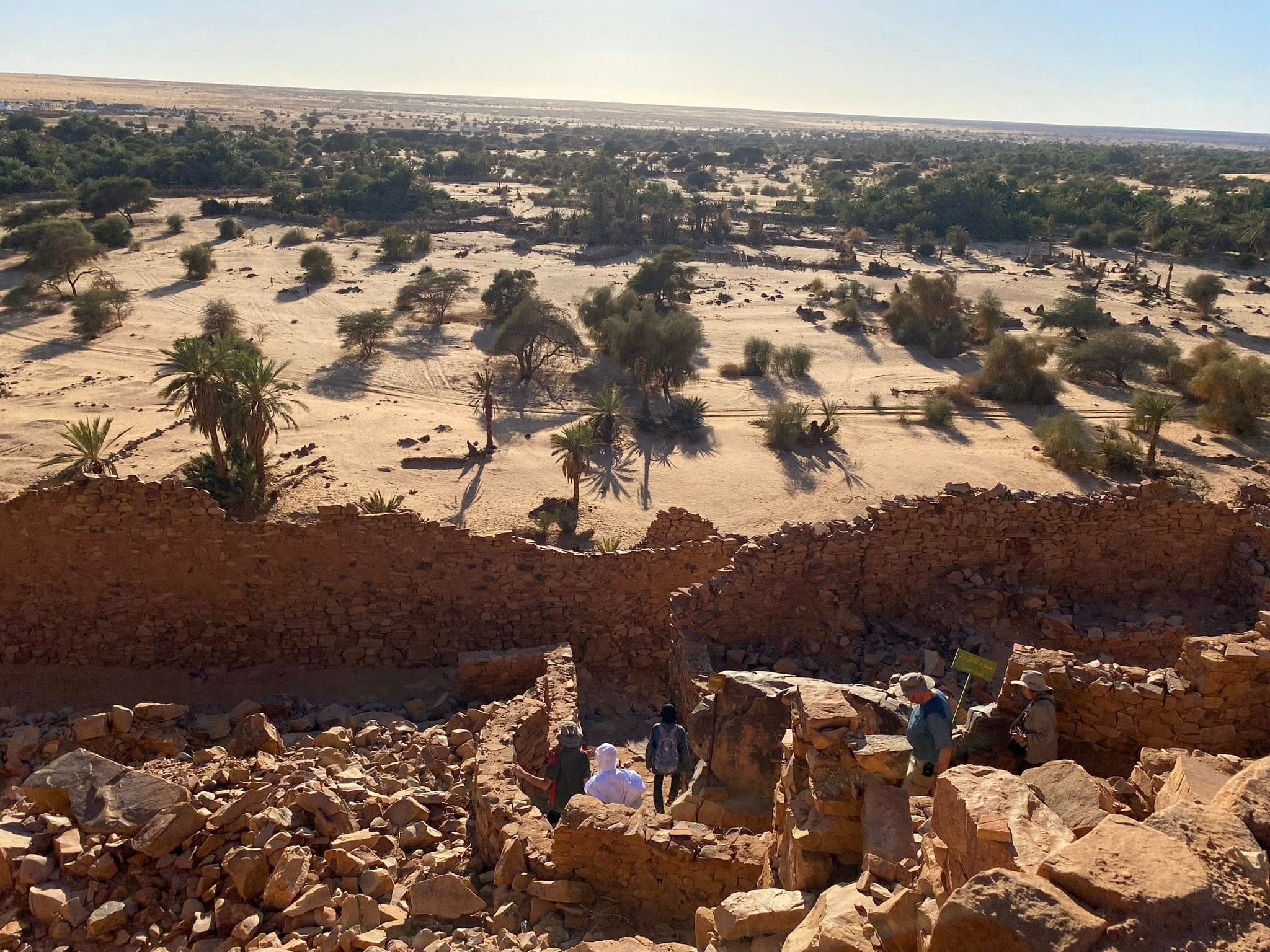
It’s known as the “Land of a Thousand Poets” and has rich cultural history in story telling, along with many fascinating UNESCO listed historic sites, dotted throughout the settlements which are peppered across its desert landscape.
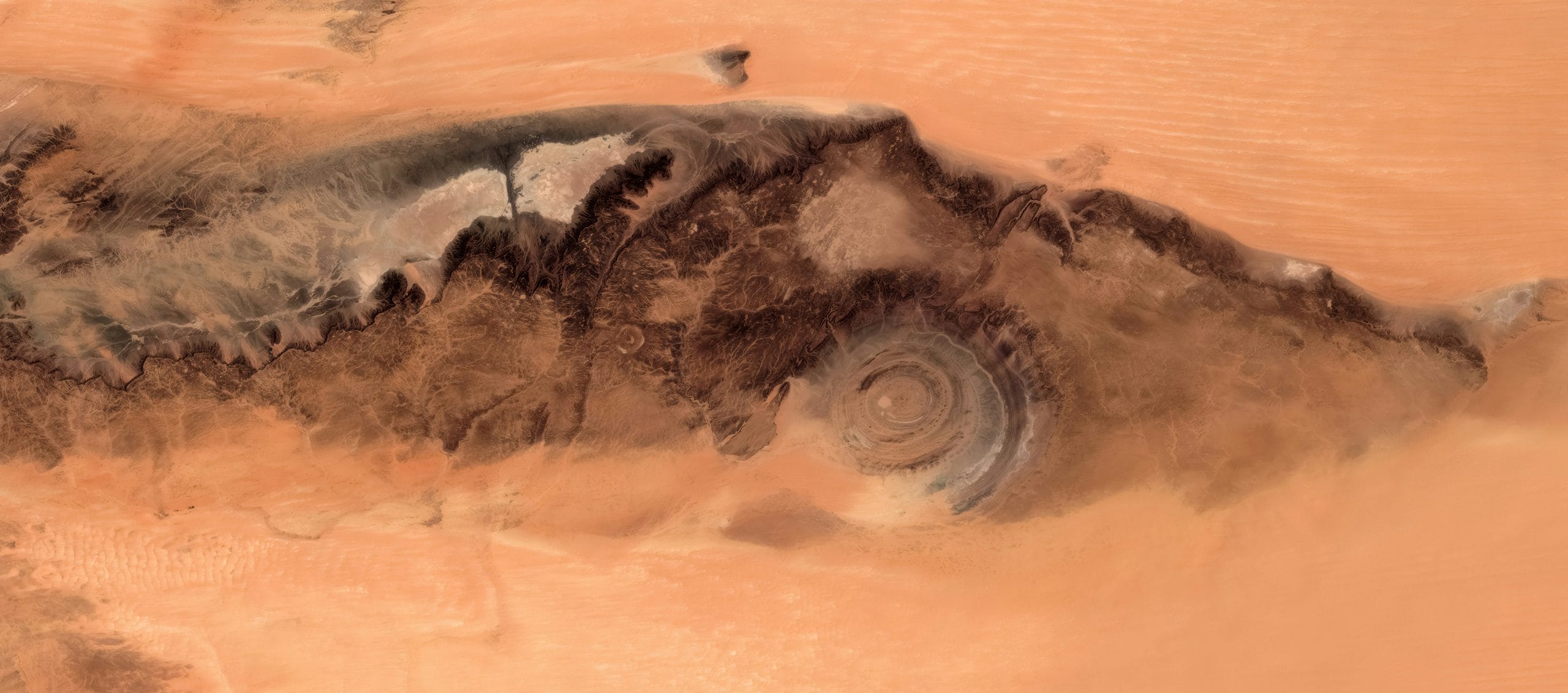
Along with truly authentic Saharan experiences, it’s also home to the famous Iron Ore train, which our guests can experience, riding aboard the train as it traverses through the desert. It’s also in the country you can find the “Eye of Africa”, a natural phenomena and geographical wonder, which can be seen from space.
The harsh desert environment shapes many of the communities who live in Mauritania and the country is made up of an interesting blend of Arab, Berber, West African and ancient nomadic communities – providing a wonderful cultural experience for visitors.
Mauritania offers a true Saharan experience and one, which few international visitors have chance to see.
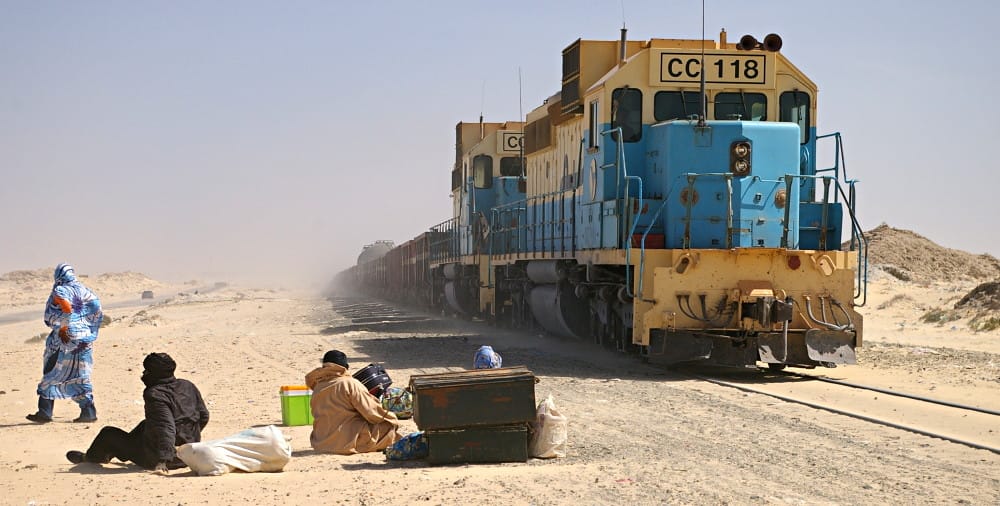
 The Iron Ore, is one of the world’s longest and heaviest trains, stretching up to 2.5km across the Sahara Desert. It carries iron ore from the mines of Zouérat to the port city of Nouadhibou and has become famous for adventurous travellers who ride atop its open wagons through the desert — an iconic and harsh journey across one of Africa’s most remote landscapes.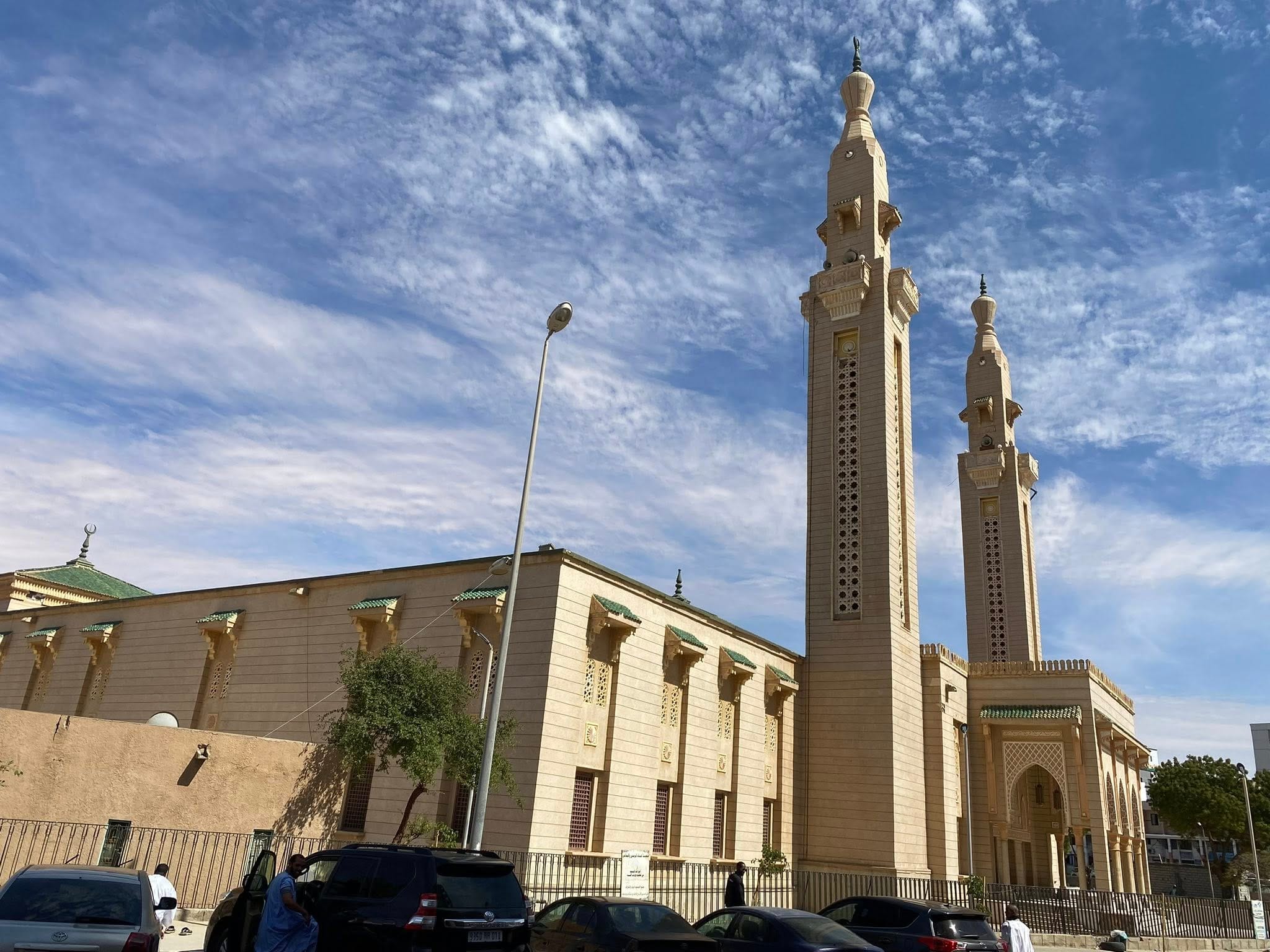
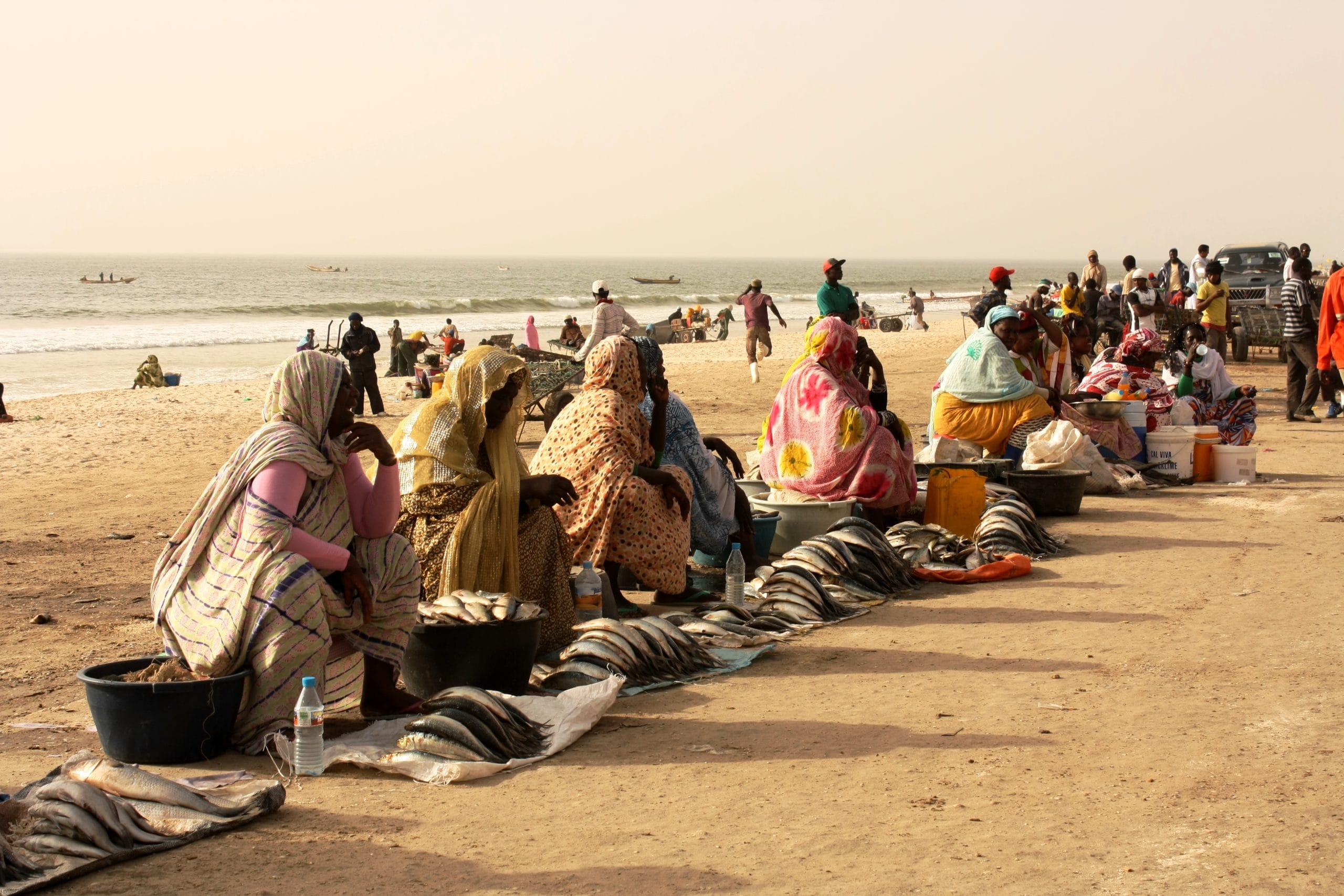
 The Atlantic Coast is a remote stretch of shoreline, where the Sahara Desert meets the sea, with dramatic landscapes, wild untouched scenery and small fishing communities. It's also rich in birdlife and forms one of the world’s richest marine ecosystems.