Travel to Iraq, one of the cradles of civilisation. Situated between the Euphrates and the Tigris, ancient Mesopotamia pre-dates written history. Sumerian, Babylonian and Assyrian empires controlled the region, leaving behind a bounty of historical sites and artefacts. The diverse landscape, geographically and culturally, holds unforeseen adventures of lonely desert forts and spiralling minarets. A country better known for deserts also boasts marshlands in the South and the Zagros Mountains in the North, which play host to our ski trips each winter. The Arab Islamic conquest in the 7th century paved the way for the establishment of Islam, which continues to be an important part of the countries culture. Iraq is host to the two holy places of Shia Islam, Najaf and Karbala, as well as the spiritual home of the Yazidi people, Lalish. Beyond the awe-inspiring sites and landscapes, above all, the hospitality of the people across the country, from the Arabs in the South to the Kurds in the North, is often the most lasting memory.

Iraq’s capital, the nation’s capital and one of the great Arab cities of the world. At its peak, it was the centre of the Islamic world. Where the Abbasid dynasty built the fabled round city containing the Baytul-Hikmah (house of wisdom) and was the setting for many of tales from the Thousand and One Night tales. Some of this history still feels tangible in places such as the Mustansiriya Madrassah, the copper market and century-old tea shops.
Baghdad plays host to two of Iraq’s more ‘modern’ sites; the National Museum of Baghdad and the Al-Shaheed Monument. The Al-Shaheed Monument, otherwise known as the Martyr Monument, commemorates all those that have risked their life for Iraq particularly in dedication of the Iraqi soldiers that died in the Iran-Iraq War. The National Museum of Baghdad reopened its doors in 2015 after being looted in 2003 and successfully reclaiming approximately half of the stolen pieces, almost 100years after first being founded by British explorer Getrude Bell. Housing the history of humanity, the museum possesses countless artefacts dating back to the Sumerian, Babylonian and Assyrian empires in the cradle of civilisation.

The busy pilgrim towns of Najaf and Karbala in Southern Iraq are host to two of the holiest places in Shia Islam. Karbala is the city in which the Shia martyr, Imam Hussein, was killed during the battle of Kerbala. His death is commemorated every year by Shia Muslims on Ashura. Nearby is the Fortress of Al-Ukhaidir, famous for its unique rectangular defensive structure dating back to the 8th century. Further South is the other important Shia Islam pilgrimage site, Najaf. It is home to the shrine of the Imam Ali, found within the Najaf Mosque. The religious significance for Shia Muslims of being buried in Najaf has also led it to be home of the world’s biggest cemetery Wadi-us-Salaam, also known as the Valley of Peace. Al Khifal is situated between these two sites, with its ancient covered souk.

Saddam Hussein famously drained Iraq’s marshes in 1992, but a lot of hard work by the authorities and Marsh Arabs has slowly seen the UNESCO world heritage site being brought back to life. The unique culture found in the marshes was celebrated in Wilfred Thesiger’s book The Marsh Arabs. Home to a wide range of wildlife, the most imposing of which being the livestock of the tribes including the Water Buffalo. Best experienced on a small wooden canoe, it is possible to witness the mudhif the unique social and political house of the tribe, and taste the national dish of Iraqi carp fresh from the waters of the Euphrates and Tigris. South of the marshes where the two great rivers meet in Qurnah, the alleged site of the Garden of Eden begins the Shatt al-Arab waterway before it snakes its way into the Persian Gulf.

Ur and Uruk are two ancient Sumerian sites. Uruk, which is argued by many to be the world’s first major city, was continuously inhabited till 300CE when it’s importance started to dwindle. It wasn’t till 1823 when excavated that its historic importance was again acknowledged. Ur was a wealthy down due to its strategic position as a trading centre. The town used to be closer to the Persian Gulf, when water levels were higher. Both archaeological sites grant visitors an extensive glimpse into the history of Mesopotamia.

Babylon is one of the better-known cities of Mesopotamia, having forever been sought after as a prize for conquering empires. Famous for allegedly being the home of the Hanging Gardens of Babylon, and the definite site of the Lion of Babylon and the azure Ishtar Gate. Much of the city has been heavily reconstructed with many of the bricks being engraved with Saddam Hussein’s name. Copying his ancient predecessors who adopted similar methods as a way to ensure they were written into the history of the city. It is also possible to visit Saddam Hussein’s palace he had built overlooking the archaeological site.

The Arch of Ctesiphon, the largest brick-made arch in the world and an iconic landmark of Iraq. Following from a huge scale heavy restoration project starting in 2013, the arch is an imposing structure. Ctesiphon was formerly the ancient capital of both the Parthian and Sasanian Empires, before being left to ruins when the capital moved to Baghdad.

Samarra is home to an 8th-century mosque, perhaps at some point the largest in the world, and an iconic spiral minaret. When first built, a bridge connected the two buildings. The spiral minaret is unique in its form. Walking up to the top grants spectacular views over Samarra. As a UNESCO world heritage site and former capital of Abbasid, it holds importance for Shia Muslims.

A semi-autonomous region in the north, Iraqi Kurdistan has largely escaped the violence that has plagued the rest of the country and is a great way to get a flavour of modern Iraq.
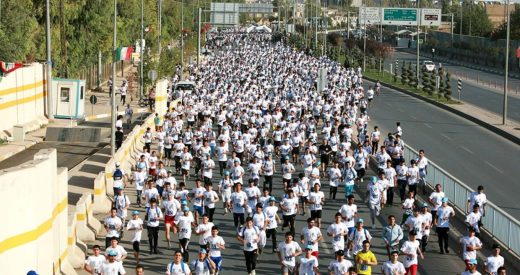
Capital city of Iraqi Kurdistan, Erbil is a city rapidly transitioning from a small town into a strong economic centre for the region. The highlight of the town is the 7000+ year old Citadel, the oldest continually inhabited city in the world. Erbil is also host to the annual Erbil Marathon. You can also find more information on one of our guest’s blogs who we guided for a visit around Iraqi Kurdistan.
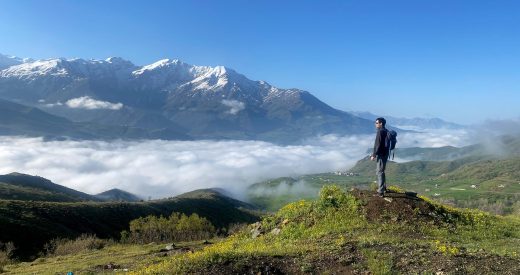
The Zagros Mountains stretch from Turkey to Iran, across the North of Iraqi Kurdistan. The range offers beautiful natural landscapes, canyons, enormous peaks and skiing terrain near Choman. It's also home to the 215km Zagros Mountain trekking trail, a newly formed route, which we organise group treks along.
Considered to be the cultural capital of Iraqi Kurdistan, Sulaymaniyah has long been the center for pioneering creatives, politicians and scholars. In the city is the Sulaimani Museum, which is the second biggest museum after the national museum in Baghdad. Nearby, the town of Halabjeh can be found, made famous by the tragic Chemical Attack by Saddam Hussein’s forces in 1998.
Lalish is the holiest temple of the Yazidis and dates back 4000 years. Built by the early civilisations of Mesopotamia, it is believed by the Yazidi people to be where Noah’s ark first encountered dry land. Pilgrims come to drink the holy spring water and are expected to make the journey at least once in their lifetime. The spiritual importance of Lalish also means that whilst visiting the holy town all must walk around barefoot.
While both form part of modern Iraq, Federal Iraq and Iraqi Kurdistan offer very different travel experiences.
Federal Iraq includes Baghdad, Basra, Babylon, Ur, Najaf, Karbala, Samarra and Mosul. This is the heartland of ancient Mesopotamia and home to some of the world's most important archaeological and religious sites.
Iraqi Kurdistan, officially known as the Kurdistan Region of Iraq (KRI), is an autonomous region in northern Iraq. Its main cities are Erbil, Sulaymaniyah and Duhok. The region has its own government, security forces and visa system, while Kurdish language and culture dominate daily life.
Visitors often notice differences immediately. Iraqi Kurdistan tends to be greener, more mountainous and socially more relaxed, while Federal Iraq offers many of the country's most significant historical, archaeological and religious sites.
For many travellers, the ideal Iraq itinerary combines both regions, experiencing everything from the ancient cities of Mesopotamia and the holy shrines of Najaf and Karbala to the spectacular scenery and famous hospitality of Iraqi Kurdistan.
One of the most common questions we receive from travellers planning a trip to Iraq is whether they need a visa. The answer depends on whether you are travelling to Federal Iraq, Iraqi Kurdistan, or both.
Visas for Federal Iraq
If you are travelling to Baghdad, Basra, Najaf, Karbala, Samarra, Mosul, Babylon, Ur or anywhere else in Federal Iraq, most nationalities will need to obtain an Iraqi e-visa before travelling.
The e-visa system has made travel to Iraq considerably easier than it was only a few years ago. Citizens of many countries, including the UK, USA, Canada, Australia, New Zealand, Switzerland and most EU member states, can apply online before departure.
Once approved, the e-visa allows entry into Iraq through the country's international airports and land borders. Importantly, a Federal Iraq visa also permits travel throughout the Kurdistan Region of Iraq (KRI), allowing visitors to combine Baghdad, Basra and the ancient sites of Mesopotamia with Erbil, Sulaymaniyah and the mountains of Iraqi Kurdistan.
Visas for Iraqi Kurdistan (KRI)
Many visitors choose to begin their Iraq tour in Erbil, the capital of Iraqi Kurdistan.
The Kurdistan Regional Government (KRG) operates a separate visa system from Federal Iraq. Many nationalities can obtain a Kurdistan Region visa either online or on arrival at Erbil International Airport.
However, travellers should be aware that a Kurdistan Region visa only permits travel within Iraqi Kurdistan. It does not allow entry into Federal Iraq.
If you plan to visit both Iraqi Kurdistan and Federal Iraq, you should obtain the Federal Iraq visa, which covers travel throughout the entire country.
Visa regulations occasionally change and Untamed Borders can provide up-to-date guidance before your trip. If you have any questions regarding travel to Iraq or obtaining an Iraqi visa, please contact us at info@untamedborders.com.
The best time to visit Iraq depends on which regions you plan to explore.
Travel in Iraq ranges from the deserts and marshes of the south to the snow-capped Zagros Mountains of Iraqi Kurdistan. Temperatures can vary dramatically between regions and seasons.
Spring (March – April)
Spring is widely considered one of the best times to travel to Iraq.
Temperatures are comfortable across Baghdad, Babylon, Najaf, Karbala, Mosul and Basra, while winter rains bring greenery to landscapes that are otherwise dry for much of the year. We time some of our Cradle of Civilisation Iraq group tours to depart at this time of year.
In Iraqi Kurdistan, wildflowers cover the Zagros Mountains, rivers are flowing strongly and snow remains visible on higher peaks. It is a very good time for hiking in the region and when Untamed Borders organises its annual Zagros Mountains trekking tour.
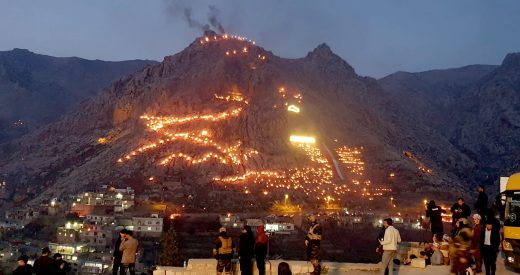
Spring is also when Newroz, the Kurdish New Year, is celebrated throughout Iraqi Kurdistan. Every year we organise a special group trip to coincide with the festivities in March.
Summer (May – September)
Although May and September should realistically be considered part of Iraq's summer.
Temperatures across Baghdad, Basra, Najaf, Karbala and southern Iraq frequently exceed 40°C and can occasionally approach 50°C in the height of summer.
For travellers interested in archaeology, culture and city sightseeing, summer is generally the least comfortable time to visit Iraq.
However, the mountains of Iraqi Kurdistan remain considerably cooler than the plains of central and southern Iraq, making regions around Choman, Rawanduz and the Zagros Mountains possible destinations during the warmer months.
Autumn (October – November)
Autumn is another excellent season for travelling in Iraq.
Temperatures become far more comfortable throughout the country and conditions are ideal for exploring Baghdad, Babylon, Ur, Mosul, Karbala, Najaf and the Southern Marshes. We take advantage of the pleasant weather on our Iraq Cradle of Civilisation cultural tours.
In Iraqi Kurdistan, autumn brings clear skies, pleasant temperatures and excellent hiking conditions. The annual Erbil Marathon usually takes place in the Autumn too and we organise tour packages to take part in the race, while also exploring other parts of Iraqi Kurdistan on the adventure.
Winter (December – February)
Winter can be one of the best times to visit southern parts of Iraq.
In central and southern Iraq, the intense summer heat has disappeared and daytime temperatures are ideal for exploring archaeological sites, religious centres and historic cities.
Rain is possible during the winter months, particularly in Baghdad and northern Iraq, and daylight hours are noticeably shorter. However, this is often the most comfortable season for visiting southern Iraq, including Basra, the Southern Marshes, Babylon, Ur, Najaf and Karbala.
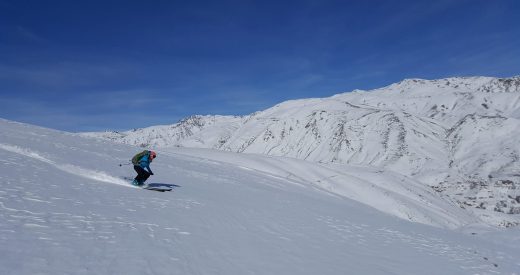
In Iraqi Kurdistan, winter brings rain in the valleys and snow in the mountains. Higher elevations around Choman, Rawanduz and the Zagros range can experience significant snowfall. It’s at this time of year we take guests on our Iraq ski trips, in the Zagros Mountains, providing a unique skiing adventure in the Middle East.
Most visitors travelling to Iraq arrive via Baghdad International Airport or Erbil International Airport.
Baghdad is the main gateway for travellers exploring Federal Iraq, while Erbil serves as the primary gateway to Iraqi Kurdistan.
There are direct flights from Istanbul, Dubai, Abu Dhabi, Doha, Amman and numerous European cities into Erbil.
For overland travellers, Iraq offers several interesting border crossings.
The Habur-Ibrahim Khalil crossing between Turkey and Iraqi Kurdistan is one of the busiest and most straightforward routes into the country.
Iraq also shares a lengthy border with Iran, with popular crossings at Haji Omran, Bashmaq, Zurbatiya and Shalamcheh.
Land borders with Jordan and Kuwait are also possible under certain circumstances.
The border with Syria remains more complicated and is not a route Untamed Borders generally recommends.
If you would like more information about overland journeys into and out of Iraq, make sure to email our team on - info@untamedborders.com
Safety in Iraq has improved dramatically over the past decade and tourism is growing rapidly.
Untamed Borders now operates tours throughout much of both Federal Iraq and Iraqi Kurdistan.
One of the most noticeable aspects of travel in Iraq is the number of security checkpoints. These exist throughout the country and can occasionally slow journeys, particularly in Federal Iraq.
Travelling with an experienced Iraq tour operator helps ensure paperwork is in order and allows travellers to navigate checkpoints smoothly with local guides.
For first-time visitors, Iraqi Kurdistan is often the easiest introduction to the country. Cities such as Erbil, Sulaymaniyah and Duhok are welcoming, straightforward to travel around and famous for Kurdish hospitality.
Federal Iraq requires more patience but rewards visitors with some of the world's most important archaeological sites, religious cities and historical locations.
While there remain areas that we avoid, particularly near parts of the Syrian border, most destinations visited on Untamed Borders tours are accessible and increasingly popular with international travellers.
The biggest surprise for many visitors is not the security situation, but the warmth and generosity of the people they meet.
Iraqi Kurdistan
In Iraqi Kurdistan, attitudes towards clothing are generally more relaxed than in Federal Iraq.
Women are not expected to wear a headscarf except when visiting religious sites. Loose-fitting trousers, long skirts and dresses are all common and acceptable.
Men typically wear trousers and shirts, although t-shirts are common in larger cities such as Erbil and Sulaymaniyah.
Federal Iraq
Federal Iraq is generally more conservative.
Women should wear loose-fitting clothing covering their arms and legs and carry a headscarf.
Visitors to important religious sites, particularly in Najaf and Karbala, are often provided with additional garments before entering. Female guests may be required to wear an abaya or chador supplied at the shrine entrance regardless of what they are already wearing.
On Untamed Borders tours, we provide abayas for female guests travelling in Federal Iraq.
Men should wear long trousers and avoid shorts.
Cash remains the most widely accepted form of payment throughout Iraq.
Credit cards are increasingly accepted in major hotels, shopping centres and restaurants in Baghdad and Erbil, but cash is still the norm across much of the country.
The currency is the Iraqi Dinar (IQD) throughout both Federal Iraq and Iraqi Kurdistan.
ATMs accepting international cards can be found in major cities but may be unavailable in smaller towns.
We recommend carrying sufficient US Dollars, which can easily be exchanged throughout Iraq and the Untamed Borders team will assist with this.
Iraq's two official languages are Arabic and Kurdish.
Arabic is spoken throughout Federal Iraq and serves as the principal language of government, education and public life.
Kurdish is spoken throughout Iraqi Kurdistan, with Sorani and Kurmanji being the most common dialects.
Iraq is also home to Neo-Aramaic languages spoken by Assyrian and Chaldean Christian communities, along with Turkmen, Armenian, Shabak and Mandaic speakers.
This linguistic diversity reflects Iraq's role as a crossroads of civilisations for thousands of years.
Internet access has improved significantly in recent years.
Mobile data is widely available in Baghdad, Basra, Erbil and Sulaymaniyah, with 4G coverage covering much of the country.
Wi-Fi is available in most hotels, cafés and restaurants, particularly in larger cities.
However, connectivity can still be inconsistent in remote desert regions and mountain areas and there can be periods of outages, particularly in bad weather.
Situated at the crossroads of Mesopotamia, Persia, Anatolia and the Arab world, Iraqi cuisine combines influences from several great culinary traditions.
The country's national dish is Masgouf, a freshwater fish grilled over an open fire and traditionally served along the Tigris River.
Other dishes visitors should try include:
Food varies considerably between regions.
In Iraqi Kurdistan, visitors will find distinctive Kurdish mountain cuisine, grilled meats, fresh vegetables and dairy products. Southern Iraq has stronger Gulf and Arab influences, while freshwater fish plays an important role in the cuisine of central Iraq.
One drink every visitor should try is Noomi Basra. Made from dried black limes that historically entered Iraq through the port of Basra, it produces a distinctive citrus infusion enjoyed throughout Iraq and the wider Gulf region.
Street food is a major part of Iraqi life. After sunset, city centres come alive with shawarma stalls, kebab vendors and bakeries producing fresh bread.
Tea is the drink of choice in Iraq and traditional teahouses are dotted all over the country, often with large rows of seating outside, where Iraqis natter with friends and family - the real hubs of the community.
Visitors looking for nightlife and alcohol will find the greatest selection in Iraqi Kurdistan, particularly in big cities, such as Erbil and Sulyaminyah. In Ankawa, the Christian part of Erbil, there are rows of busy bars, nightclubs and off-licences selling alcohol. So if you want a drink while vacationing in Iraq, then Iraqi Kurdistan is certainly not short of options.
The majority of Iraqis are Muslim, divided between Shia and Sunni communities.
Shia Islam is particularly influential in central and southern Iraq. The cities of Najaf and Karbala are among the most important religious destinations in the Muslim world.
Karbala is widely regarded as the most important pilgrimage destination for Shia Muslims worldwide, attracting millions of visitors annually, particularly during Arbaeen.
Najaf is home to the shrine of Imam Ali and remains one of the most important centres of Islamic scholarship in the world.
Beyond Islam, Iraq possesses extraordinary religious diversity. The Kurdistan Region is home to Lalish, the holiest site of the Yazidi faith. We visit Lalish on all of our standard Iraqi Kurdistan tours.
Iraq is also home to some of the oldest Christian communities in the world too, including Assyrian, Chaldean and Syriac Christians. Other religious minorities include Mandaeans, Kakais, Armenians and several smaller communities whose traditions stretch back centuries.
Iraq's religious diversity remains one of the country's most fascinating characteristics and reflects its historic position at the crossroads of the Middle East.
1,001 Nights in Iraq — Shant Kenderian
A gripping memoir by Shant Kenderian, who travelled to Baghdad as a teenager in 1980 and became trapped in Iraq after the outbreak of the Iran-Iraq War. What began as a short family visit turned into years of forced military service under Saddam Hussein, before he later found himself on the front line during the Gulf War. It offers a personal, human perspective on Iraq during some of the most turbulent years of its modern history.
The Marsh Arabs — Wilfred Thesiger
A classic account of Thesiger’s time among the Marsh Arabs of southern Iraq in the 1950s. Travelling by canoe through the wetlands, he writes about reed houses, buffalo herding, tribal hospitality, medicine, hunting and daily life in one of Iraq’s most distinctive environments. The book is beautifully written, but should be read with awareness that it is a dated outsider account, and that the marshes and their communities suffered major destruction under Saddam Hussein’s regime.
A Stranger in Your Own City — Ghaith Abdul-Ahad
One of the strongest modern books on Iraq. Abdul-Ahad is an Iraqi journalist from Baghdad, and his book follows the country through the 2003 invasion, occupation, sectarian violence, militias, ISIS and the long aftermath of war. It is especially valuable because it centres Iraqi voices rather than telling the story mainly through foreign soldiers, politicians or correspondents.
Wounded Tigris — Leon McCarron
A modern travel and environmental book following the River Tigris through Turkey, Syria and Iraq. McCarron uses the river as a way to explore Mesopotamian history, modern Iraq, water politics, climate change and the damage being done to one of the great rivers of civilisation. It is particularly useful for travellers interested in the deep connection between Iraq’s landscapes, ancient history and current environmental challenges.
The Epic of Gilgamesh
One of the foundational works of world literature and essential reading for anyone interested in ancient Mesopotamia. The story centres on Gilgamesh, king of Uruk — in what is now southern Iraq — and explores friendship, kingship, grief, mortality and the search for eternal life. The British Museum describes it as the single most significant work of Mesopotamian literature, making it a natural companion for travellers visiting Iraq’s ancient sites.
Gertrude Bell and Iraq: A Life and Legacy
A useful collection of essays reassessing Gertrude Bell’s role in Iraq’s early 20th-century history. Bell was an archaeologist, traveller, writer and British civil servant who played an important part in British policy in the Middle East and the formation of modern Iraq after the First World War. The book is particularly helpful for understanding the imperial background to modern Iraq, while also examining Bell’s complex legacy.
A History of Iraq — Charles Tripp
One of the best general histories of modern Iraq. Tripp provides a clear overview of Iraq’s political development, from the late Ottoman period and British mandate through monarchy, republic, Ba’athist rule, Saddam Hussein, war and occupation. It is more academic than some of the other books on this list, but very useful for travellers who want a serious grounding in how the modern Iraqi state was formed.
Road Through Kurdistan — Archibald Milne Hamilton
A classic travel and engineering memoir about building the strategic road through Iraqi Kurdistan in the 1930s. Hamilton was a New Zealand engineer involved in constructing a route from Erbil through the mountains towards Persia, now Iran. The book gives valuable historical context on northern Iraq, Kurdish regions, mountain travel and the infrastructure that connected remote communities.
Between Two Worlds: Escape from Tyranny — Zainab Salbi
A powerful memoir by Iraqi-American writer and activist Zainab Salbi, who grew up in Baghdad close to Saddam Hussein’s inner circle because her father was his personal pilot. The book explores fear, silence, privilege, oppression, gender and survival under dictatorship, before following Salbi’s escape from an abusive marriage and her later humanitarian work. It is a personal and revealing look at life under Saddam from an unusual perspective.
Michael Palin - Into Iraq series.
Untamed Borders guided the legendary broadcaster and a film crew around the country for this three-part Channel 5 travel documentary. We gudied Michael Palin on a 1,000-mile journey along the Tigris River, from eastern Turkey through Iraq towards the Persian Gulf. Palin visits a country he had never previously explored, encountering ancient Mesopotamian history, religious sites, modern cities and communities still living with the consequences of dictatorship, invasion and war.
A pioneering ski film showcasing the first ascent and descent of Halgurd, Iraq's tallest mountain. Untamed Borders guided the team and organised logistics for this project,Once Upon a Time in Iraq.
Secrets of the Dead: Ancient Iraq#
A fascinating PBS documentary looking at Iraq’s ancient Assyrian heritage and the damage caused to it during the ISIS occupation of Mosul. The film follows archaeologists searching for artefacts that survived the destruction, while also exploring the wider importance of Assyrian civilisation in ancient Mesopotamia. Particularly useful for travellers visiting Mosul, Nineveh, Nimrud, Babylon or the Iraq Museum, as it links Iraq’s ancient past with its modern story of loss, survival and cultural recovery.
Mesopotamia: Return to Eden
Part of Time Life’s Lost Civilizations series, this older documentary offers a broad introduction to ancient Mesopotamia and the idea of Iraq as one of the cradles of civilisation. It explores the world of the Tigris and Euphrates, early cities, myth, religion and the biblical association with Eden. While the style is dated, it is still a useful primer before visiting sites such as Ur, Uruk, Babylon and the Mesopotamian Marshes.
The Exorcist
This is an unusual addition, but the opening archaeological sequence is filmed at the awesome historic site of Hatra, in Iraq.
Clash of Loyalties
Another left-field choice, but this film featuring Oliver Reed, has Saddam Hussein listed as one of its producers.